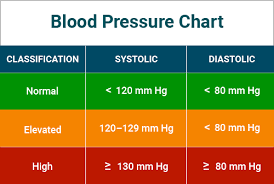
Elevated blood pressure means that your blood pressure is slightly above what is considered normal. Some doctors refer to slightly elevated blood pressure as prehypertension. Elevated blood pressure will likely turn into high blood pressure (hypertension) unless you make lifestyle changes, such as getting more exercise and eating healthier foods.
Anyone can have elevated blood pressure, even children, especially if they’re overweight or obese.
Causes: –
Any factor that increases pressure against the artery walls can lead to elevated blood pressure. The buildup of fatty deposits in your arteries (atherosclerosis) can lead to high blood pressure.
Besides atherosclerosis, other conditions that can lead to elevated blood pressure or high blood pressure include:
1: Obstructive sleep apnea
2: Kidney disease
3: Adrenal disease
4: Thyroid disease
Risk factors: –
Risk factors for elevated blood pressure includes:
1: Being overweight or obese. The greater your body mass, the more blood you need to supply oxygen and nutrients to your tissues. As the amount of blood going through your blood vessels increases, so does the force on your artery walls.
2: Sex. Elevated blood pressure is more common in men than in women through about age 55. Women are more likely to develop high blood pressure after age 55.
3: Race. Elevated blood pressure is particularly common among people of African heritage, often developing at an earlier age than it does in white people.
4: Family history of high blood pressure. If a first-degree relative, such as a parent or sibling, has high blood pressure, you’re more likely to develop elevated blood pressure.
5: Not being physically active. Not exercising can cause weight gain and increase your risk of elevated blood pressure.
6: Diet high in salt (sodium) or low in potassium. Sodium and potassium are two key nutrients in the way your body regulates your blood pressure. If you have too much sodium or too little potassium in your diet, you’re more likely to have elevated blood pressure.
Tobacco use. Smoking cigarettes, chewing tobacco or being around others who smoke (secondhand smoke) can increase your blood pressure.