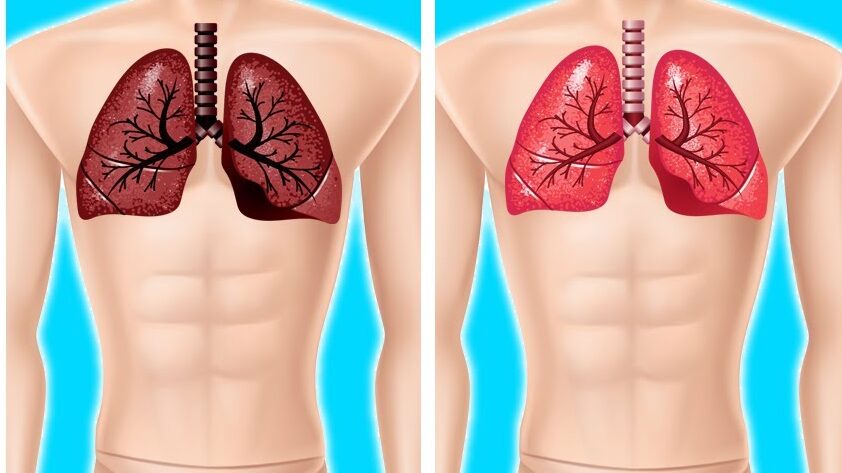
What is a chest infection?
A chest infection is a type of respiratory infection that impacts the lower part of your respiratory tract.
Your lower respiratory tract includes your windpipe, bronchi, and lungs.
What are the symptoms of a chest infection?
The symptoms of a chest infection can include:
1:chesty cough (wet or phlegmy)
2:wheezing
3:coughing up yellow or green mucus
4:feeling short of breath
5:discomfort in your chest
6:fever
7:headache
8:muscle aches and pains
9:feeling tired or fatigued
What causes a chest infection?
A chest infection can be caused by a bacterial or viral infection. The exact cause will depend on the type of infection.
For example, bronchitis is often caused by a virus, whereas most cases of pneumonia are bacterial in origin.
You may be at an increased risk for a chest infection if you:
1:are elderly
2:are pregnant
3:are a baby or young child
4:smoke
5:have a chronic health condition, such as chronic obstructive pulmonary disorder (COPD), asthma, or diabetes
6:have a weakened immune system, either from a condition such HIV, or from being the recipient of an organ transplant
When to seek help from a healthcare provider
In some cases, a chest infection, such as acute bronchitis, will go away on its own and you won’t have to see a doctor.