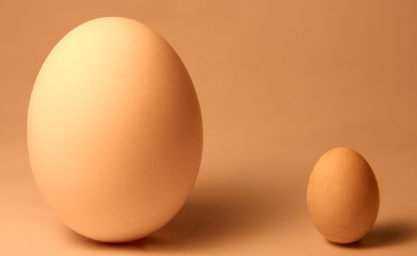
Swollen testicles (also known as scrotal swelling) can be a sign of a variety of things, including injury, infection or a testicular tumor. If you have swollen testicles, they appear larger and may be red or shiny. You may notice a lump, but you may also have swelling with no lump. Sometimes both testicles become swollen. Other times, only one testicle swells.
Your testicles are small, egg-shaped reproductive (sex) organs in a thin sac of skin (scrotum) found below your penis. Your testicles make hormones and sperm. Most people designated male at birth (DMAB) have two testicles in their scrotum.
Symptoms Swollen Testicles: –
If you have swollen testicles, you may also have other symptoms, including:
1-Nausea and/or vomiting
2-Difficulty peeing
3-Discharge from your penis
4-Pain
5-Bruising
Many conditions can cause swelling in one or sometimes both testicles. These include:
Trauma (injury) can cause swollen testicles. Usually the result of a direct kick or accident, you’ll likely feel severe pain, and then your scrotum may become red or start to swell. It’s important to seek medical care promptly so that the blood supply to your testicle isn’t blocked. Contact your provider if you have:
- An injury that breaks through (punctures) your scrotum
- Bruising or swelling in your scrotum
- Difficulty peeing or blood in your pee
- A fever after injury
1-Hydrocele is when your scrotum fills with extra fluid, making it look swollen. It usually develops on only one side and tends to be painless. It’s much more common in babies, but sometimes you can get it as an adult. Hydrocele usually goes away on its own.
2-Epididymitis is a medical term for swelling and irritation of your epididymis, a tube at the back of your testicle that carries sperm. This condition causes pain and swelling in your testicle. Usually, epididymitis develops from a sexually transmitted infection (STI, formerly known as sexually transmitted disease or STD) or from a bacterial or viral infection. If infection is the cause of your swollen testicles, your provider will likely prescribe antibiotics as well as rest, fluids and ice to help with your symptoms.
3-Inguinal hernia is when fatty tissue or part of your intestine pokes into your groin at the top of your inner thigh. They’re fairly common in older adults who were DMAB. If the hernia is near your thigh, you may not feel any pain. But if it’s in your scrotum, you may notice pain and swelling in your testicle. An inguinal hernia doesn’t usually go away on its own and you may need surgery.
4-Varicocele is a condition that affects the veins inside your scrotum. It’s usually painless, but you may see swelling. Varicocele more commonly causes swelling in your left testicle, but sometimes effects the right testicle or both testicles. To help manage your symptoms, your provider may recommend making lifestyle changes, as well as over-the-counter pain relievers for any pain and ice for your swollen testicle. If you’re in a lot of pain or have concerns about your fertility, your provider may suggest surgery.
5-Orchitis is a swelling in one or both testicles. It’s the result of an infection, which may be viral, bacterial or sexually transmitted (STI). You may have mild to severe pain and swelling. Orchitis often begins in one testicle, and then gradually spreads to the other. It can also affect your scrotum. If your symptoms don’t start to get better within a couple of days, your doctor may give you antibiotics.
6-Fluid buildup in your scrotum may be a sign of congestive heart failure. Body swelling is a common symptom of heart failure as you start to hold onto extra fluids. If your swollen testicles are related to heart failure, it’s likely that other areas of your body are swollen too. Your healthcare provider will likely recommend medications like certain blood pressure medications and water pills and lifestyle changes to help improve your quality of life.
7-Spermatocele is a lump (cyst) filled with fluid. It’s usually above or behind your testicle. Sometimes called spermatic cysts or epididymal cysts, spermatocele is not cancerous (benign). You may have swelling, a dull ache or a feeling of heaviness in your scrotum. If a spermatocele doesn’t bother you much, you might not need any treatment. If it’s uncomfortable, your healthcare provider may recommend surgery to remove the lump.
8-Testicular torsion is a medical emergency. Usually, the spermatic cord supplies blood to your testicles. In testicular torsion, this cord twists within your scrotum, interrupting blood flow. It can happen without a clear cause or after injury to your testicles. If you have sudden, severe pain in one testicle, swelling on one side of the scrotum, or a visible lump on your testicle, seek medical attention immediately.
9-Testicular cancer may develop when cancerous (malignant) cells grow in your testicle. It’s usually one-sided but rarely affects both testes. Testicular tumors may feel like:
9.1- A lump in your testicle
9.2- Swelling
9.3- Heaviness, pain or discomfort in your scrotum
10-Tuberculosis is a bacterial infection that may rarely lead to a swollen scrotum. About 70% of tuberculosis cases affect the lungs, but sometimes pulmonary tuberculosis can spread to other parts of the body, including the testicles. If you notice swelling with or without pain, particularly if there’s a hard lump on your testicle, contact your physician for evaluation.