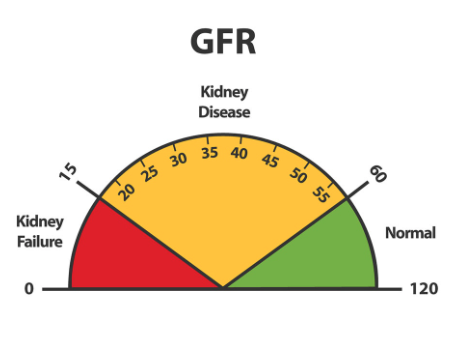
Chronic kidney disease, also called chronic kidney failure, involves a gradual loss of kidney function. Your kidneys filter wastes and excess fluids from your blood, which are then removed in your urine. Advanced chronic kidney disease can cause dangerous levels of fluid, electrolytes and wastes to build up in your body.
In the early stages of chronic kidney disease, you might have few signs or symptoms. You might not realize that you have kidney disease until the condition is advanced.
Treatment for chronic kidney disease focuses on slowing the progression of kidney damage, usually by controlling the cause. But, even controlling the cause might not keep kidney damage from progressing. Chronic kidney disease can progress to end-stage kidney failure, which is fatal without artificial filtering (dialysis) or a kidney transplant.
Symptoms:-
1-Nausea
2-Vomiting
3-Loss of appetite
4-Fatigue and weakness
5-Sleep problems
6-Urinating more or less
7-Decreased mental sharpness
8-Muscle cramps
9-Swelling of feet and ankles
10-Dry, itchy skin
11-High blood pressure (hypertension) that’s difficult to control
12-Shortness of breath, if fluid builds up in the lungs
13-Chest pain, if fluid builds up around the lining of the heart