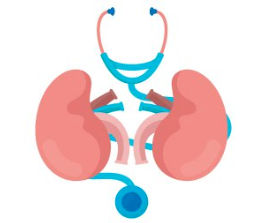
Nephrology is a specialty of internal medicine that focuses on the treatment of diseases that affect the kidneys.
You have two kidneys. They’re located below your ribcage on either side of your spine. The kidneys have several vital functions, including:
1-Removing waste and excess fluid from the blood
2-Releasing hormones with functions such as managing blood pressure
3-Maintaining your body’s electrolyte balance
Conditions a nephrologist treats
Nephrologists can work with you to help diagnose and treat the following conditions:
1-Blood or protein in urine
2-Kidney swelling due to glomerulonephritis or interstitial nephritis
3-Kidney cancer
4-Polycystic kidney disease
5-Hemolytic uremic syndrome
6-Renal artery stenosis
7-Nephrotic syndrome
8-End-stage kidney disease
9-Kidney failure, both acute and chronic
10-Chronic kidney disease
11-Kidney stones, although a urologist may also treat this
12-Kidney infections
A nephrologist can also be involved when other factors cause kidney disease or dysfunction, including:
1-High blood pressure
2-Diabetes
3-Heart disease
4-Autoimmune conditions, such as lupus
5-Medications